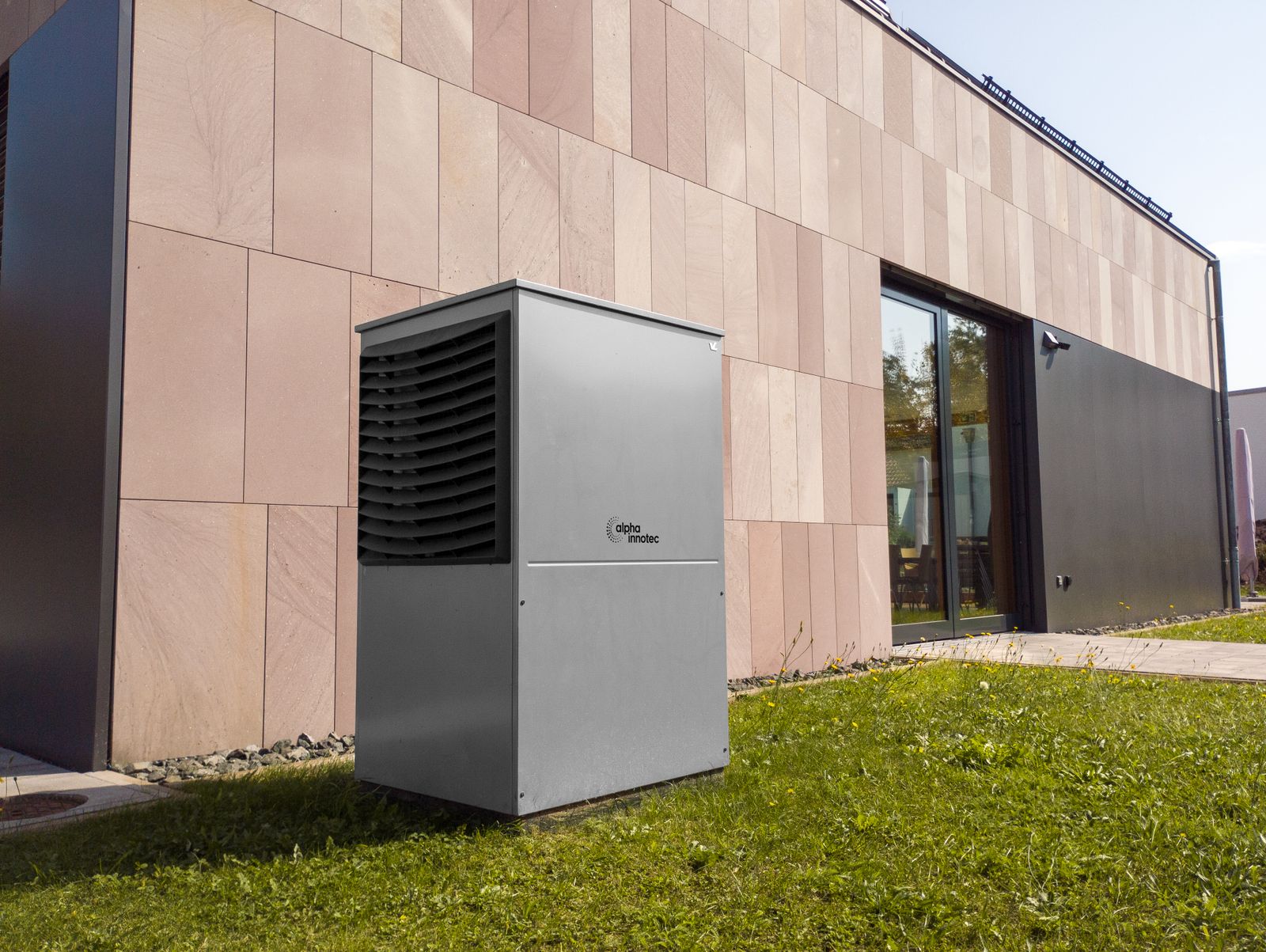
Hybrid vs full heat pump: which is right for your home?
Quick answer
A full heat pump system replaces the boiler entirely and runs on electricity alone. A hybrid system keeps the boiler as backup for the coldest days. Hybrid suits homes with existing radiators and boilers; full heat pump suits well-insulated homes ready for a complete conversion. Interest-free credit up to £30,000, subject to status.
The choice between a hybrid system and a full heat pump system comes down to your existing boiler, your radiators, your insulation, and how much disruption you are prepared for. A hybrid system keeps the boiler as a backup. A full heat pump system removes it entirely. Both are valid pathways to lower-carbon heating, but they suit different properties and different budgets. This page sets out the differences honestly so you can understand which approach fits your home before booking a survey.
Last updated: 28 October 2026
Reviewed by the Scottish Energy Efficiency team.
What is the main difference between hybrid and full heat pump?
A full heat pump system replaces the boiler entirely and runs on electricity alone. A hybrid system keeps the boiler and uses it as backup for the coldest days, combining two heat sources through a controller.
In a full heat pump system, the heat pump is the only heat source. It handles all heating and hot water, with no boiler backup. This means every radiator must be sized to deliver enough heat at the lower flow temperatures the heat pump operates at — typically 35 to 50 degrees. A larger hot water cylinder may be needed, and pipework may need upgrading to handle the flow rates. In a hybrid system, the boiler remains connected and can fire at higher temperatures when the heat pump cannot meet demand alone. This means existing radiators may be adequate, the transition is less disruptive, and you have a backup if the heat pump is serviced. The trade-off is that the hybrid retains a fossil fuel dependency for the coldest days.
Which system costs more to install?
A full heat pump system typically costs more to install because it usually requires radiator replacements, a larger cylinder, and pipework upgrades. A hybrid system can often reuse existing radiators and the existing boiler.
The installation cost difference comes mainly from the ancillary work, not the heat pump itself. A full conversion often means replacing most radiators with larger models sized for lower flow temperatures, installing a bigger hot water cylinder, and upgrading pipework. A hybrid system can often reuse existing radiators because the boiler can run them at higher temperatures on cold days. The boiler itself is retained, so there is no cost for a new boiler — though if it is nearing end of life, replacement is an additional cost in both scenarios. Both options are priced after the survey, with an itemised proposal so you can compare.
Which system is better for older Scottish homes?
Hybrid systems are often better suited to older Scottish homes with existing radiators and boilers, because they require fewer changes to the heating infrastructure. Full heat pump systems suit well-insulated homes or those already undergoing renovation.
Many Scottish homes built before 2000 have solid walls, partial insulation, and radiator systems sized for high-temperature boilers. A full heat pump system in such a property can require significant upgrades to insulation and radiators to work efficiently. A hybrid system lets you keep the existing infrastructure and add a heat pump that runs for most of the year, with the boiler as backup. This makes the hybrid approach a practical first step for homes that are not ready for a full conversion. If you plan to insulate externally or internally in the future, you can revisit the system design at that point and potentially move to a full heat pump.
Which system has lower running costs?
Running costs depend on the ratio of electricity to gas or oil prices. A full heat pump is fully electric, so costs track electricity prices year-round. A hybrid uses electricity for most of the year and fuel only on the coldest days.
Neither system is guaranteed to be cheaper to run — it depends on fuel prices at any given time. A full heat pump system means all heating and hot water is powered by electricity, so your running costs are entirely tied to your electricity tariff. A hybrid system uses electricity for most of the heating season and gas, oil, or LPG only on the coldest days, so your costs are split between two fuels. If electricity prices rise relative to gas, the hybrid may be cheaper to run on cold days. If gas prices rise relative to electricity, the full heat pump may be cheaper. The survey provides an estimate based on your current fuel costs and usage.
Can I start with a hybrid and upgrade to full later?
Yes. A hybrid system is a practical stepping stone. If you later improve insulation and upgrade radiators, the boiler can be removed and the heat pump can run as a full system. The survey designs with this in mind.
This is one of the key advantages of a hybrid approach. You do not commit to keeping the boiler forever. If you insulate your home — externally, internally, or through loft and wall upgrades — the heat loss decreases and the heat pump can handle more of the demand. At that point, the boiler can be decommissioned and the system reconfigured to run as a full heat pump. The intelligent controller is reprogrammed, and the heat pump takes over entirely. This phased approach spreads the work and disruption over time, which suits many homeowners who are not ready for a full conversion in one step.
Frequently asked questions
Does a full heat pump system need a backup heater?
No. A correctly sized full heat pump system handles all heating and hot water without a backup. The sizing is confirmed by the heat loss survey.
Can I keep my combi boiler in a hybrid system?
Some combi boilers are compatible. The survey checks the model and controls. A system boiler with a cylinder is more common in hybrid setups.
Which system has a smaller carbon footprint?
A full heat pump has a smaller carbon footprint because it uses no fossil fuels. A hybrid still uses fuel on the coldest days but far less than a boiler alone.
How long does each system take to install?
A hybrid installation typically takes two to four days. A full heat pump conversion can take longer if radiators and pipework need replacing.
Is finance available?
Interest-free credit up to £30,000, subject to status. We can discuss options after the survey if you decide to proceed.
Fill in the form and we will call you within one working day to arrange a survey. No obligation · We install through MCS-certified partners · Scottish homes and businesses