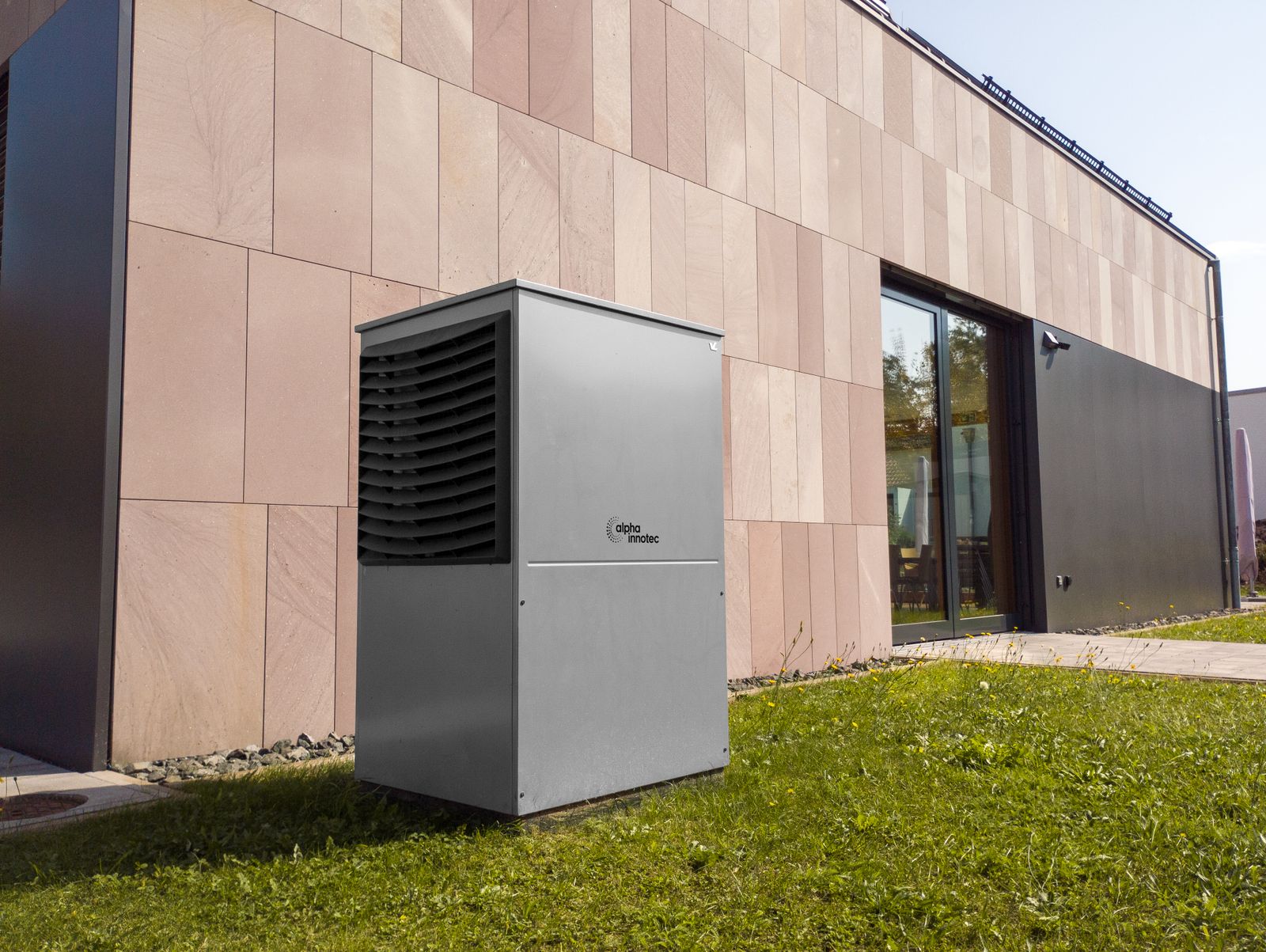
Yes, a heat pump can work with an oil or LPG boiler through an intelligent controller. The heat pump handles most of the year and the boiler fires on the coldest days. No changes to the oil tank or LPG storage are needed. A hot water cylinder is required in all hybrid systems.
For homes off the gas grid in Scotland — heated by oil or LPG — a hybrid system can offer particularly meaningful benefits. Oil and LPG are more expensive per kWh than mains gas, and their prices are more volatile. Adding a heat pump that handles most of the heating season can significantly reduce fuel consumption, with the boiler retained for the coldest days. The principles of hybrid heating are the same regardless of fuel type, but there are important differences in how oil and LPG hybrids are configured and what they cost to run.
Last updated: 28 October 2026
Reviewed by the Scottish Energy Efficiency team.
Can a heat pump work with an oil boiler?
Yes. A heat pump can be paired with an oil boiler through the same intelligent controller used in gas hybrids. The heat pump runs for most of the year; the oil boiler fires on the coldest days when the heat pump cannot meet demand alone.
The integration is the same as with a gas boiler — the controller monitors outdoor temperature and switches between heat sources at the bivalent point. The oil boiler remains connected to the radiator circuit and heats the hot water cylinder when the heat pump cannot reach the target temperature. No changes to the oil tank or supply pipework are needed, provided the tank and lines are in good condition. The survey checks the oil boiler model, age, and condition to confirm compatibility. If the boiler is nearing end of life, the surveyor will flag it and the proposal will include a replacement if needed.
Is a hybrid system suitable for LPG boilers?
Yes. LPG boilers work with hybrid systems in the same way as gas or oil. The heat pump handles most of the heating load, and the LPG boiler provides backup on cold days, reducing LPG consumption significantly.
LPG is typically stored in bulk tanks or bottles and is more expensive per kWh than mains gas. Reducing LPG consumption by running a heat pump for most of the year can make a noticeable difference to running costs. The hybrid controller connects to the LPG boiler in the same way as any other boiler type — it reads the outdoor temperature and calls the boiler when the heat pump alone cannot meet demand. The survey checks the LPG boiler compatibility, tank location, and supply pipework. No changes to the LPG storage are needed for the hybrid system to work.
Why does a hybrid make particular sense for off-grid homes?
Oil and LPG cost more per kWh than mains gas, so reducing fuel consumption has a bigger impact on running costs. Off-grid homes also have no option to switch to a cheaper gas tariff, making the heat pump a more valuable addition.
For homes on the gas grid, the financial case for a hybrid depends on the gap between electricity and gas prices. For off-grid homes, the gap between electricity and oil or LPG prices is often more favourable, because oil and LPG are inherently more expensive fuels. This means the heat pump can deliver running cost savings more quickly. Off-grid homes are also often in rural locations with more space for the outdoor unit, which simplifies installation. And because there is no mains gas to fall back on, retaining the oil or LPG boiler as backup provides security — if the heat pump is serviced, the boiler can still heat the home.
What about the hot water cylinder?
A hot water cylinder is required in all hybrid systems, including oil and LPG. If you currently have a combi boiler without a cylinder, one will need to be installed. The survey assesses space for it.
The heat pump needs a cylinder to store hot water because it heats water more slowly than a combi boiler can produce it on demand. If your oil or LPG system currently uses a combi boiler, installing a cylinder is part of the hybrid conversion. The cylinder is typically located in an airing cupboard, loft, or utility room. The survey measures available space and recommends a cylinder size based on your household hot water usage. If you already have a cylinder — common with oil systems — it may be reusable if it is in good condition and large enough for the heat pump.
Do oil and LPG hybrids qualify for the same support?
Off-grid homes may qualify for government support that on-grid homes do not, subject to eligibility. The survey checks what applies to your property and includes it in the proposal.
Government schemes for low-carbon heating change over time, and eligibility depends on factors such as your property type, existing heating system, and whether you are off the gas grid. We do not promise any specific support amount. During the survey we assess what may be available and include it in the written proposal. Any application is made with your involvement and is subject to the scheme requirements at the time. The surveyor can explain the current options, but the final decision on eligibility sits with the scheme administrator, not with us. We install through MCS-certified partners.
Frequently asked questions
Do I need to replace my oil tank for a hybrid system?
No. The oil tank and supply lines remain as they are, provided they are in good condition. The survey checks their condition.
Will the heat pump work in a remote area with no gas?
Yes. Heat pumps run on electricity, which is available in nearly all Scottish homes. The survey confirms your electrical supply is adequate.
Can I keep my LPG bottles or do I need a bulk tank?
You can keep your current LPG setup. The hybrid system does not require any changes to LPG storage.
How much oil or LPG will I still use?
It depends on your property and the bivalent point setting. Most of the year the heat pump runs alone, so fuel use drops significantly. The survey estimates the reduction.
Is the installation process different for oil or LPG?
No. The heat pump and controller installation is the same. The only difference is the boiler fuel type, which the controller accommodates automatically.
Fill in the form and we will call you within one working day to arrange a survey. No obligation · We install through MCS-certified partners · Scottish homes and businesses